Borrowing Calm From Technology: Could Neurostimulation Replace Traditional Stress Relief?

Stress relief has always been associated with activities that encourage the mind and body to slow down. Meditation, breathing exercises, physical activity, and spending time outdoors have long helped people manage everyday pressure. But what if relaxation no longer required a quiet room, focused attention, or years of practice? What if technology could help the … Read more
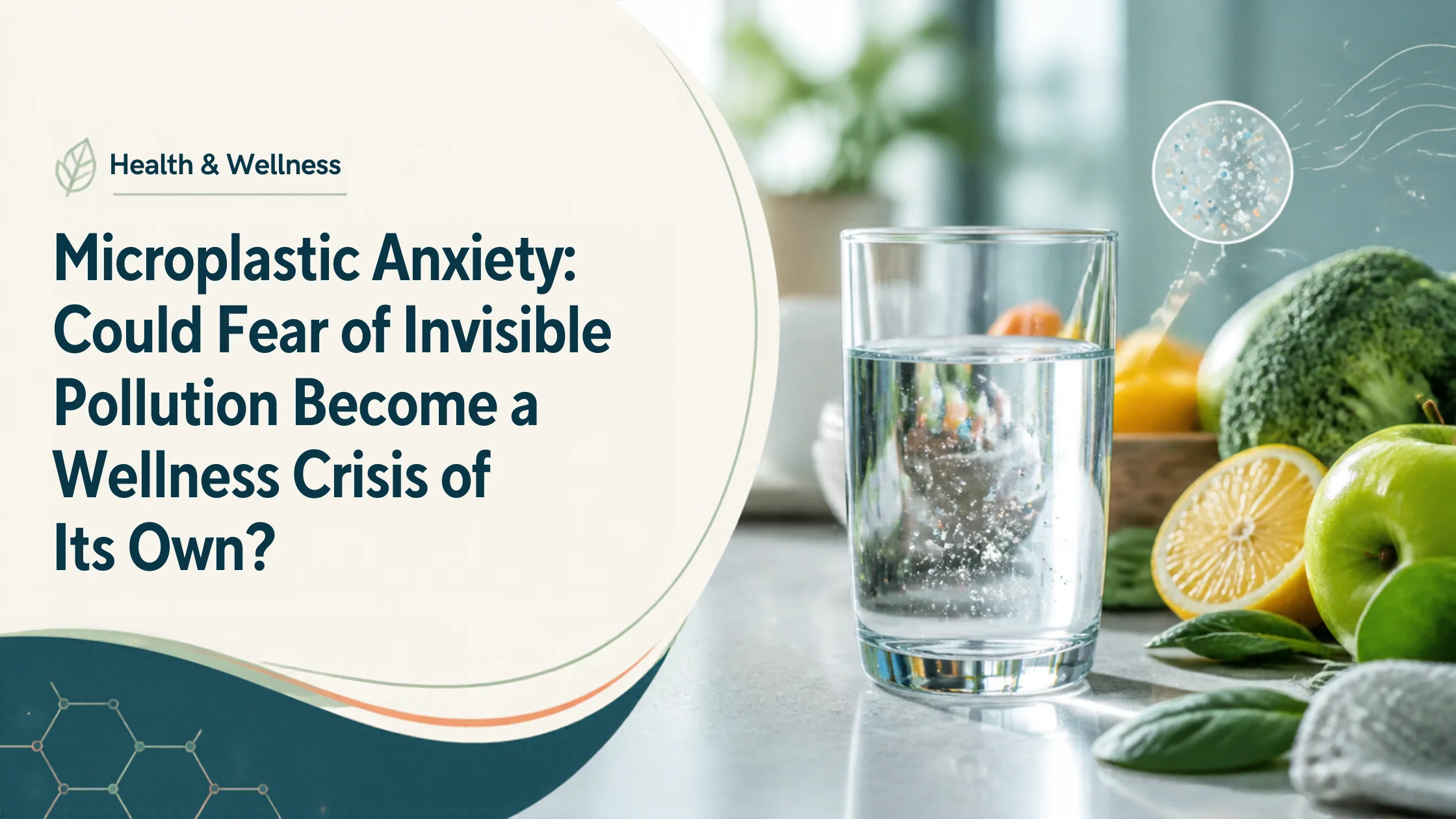
Microplastic Anxiety: Could Fear of Invisible Pollution Become a Wellness Crisis of Its Own?

Microplastic Anxiety: Could Fear of Invisible Pollution Become a Wellness Crisis of Its Own?

The idea that tiny plastic particles could be hiding in drinking water, food, household dust, and even the human body is unsettling. Unlike pollution that produces visible smoke or unpleasant odors, microplastics are often impossible to detect without specialized equipment. Their invisibility creates a particular kind of fear: the possibility of exposure without knowing when, … Read more

Emotional Fitness as a Medical Metric: Could Feelings Become Measurable Health Data?

Emotional Fitness as Medical Fitness

Health has traditionally been measured through numbers. Blood pressure readings, cholesterol levels, heart rates, and blood sugar measurements help doctors understand what is happening inside the body. But what about the emotions people experience every day? Stress, sadness, excitement, frustration, and happiness can influence how people sleep, think, behave, and respond to physical challenges. Yet … Read more

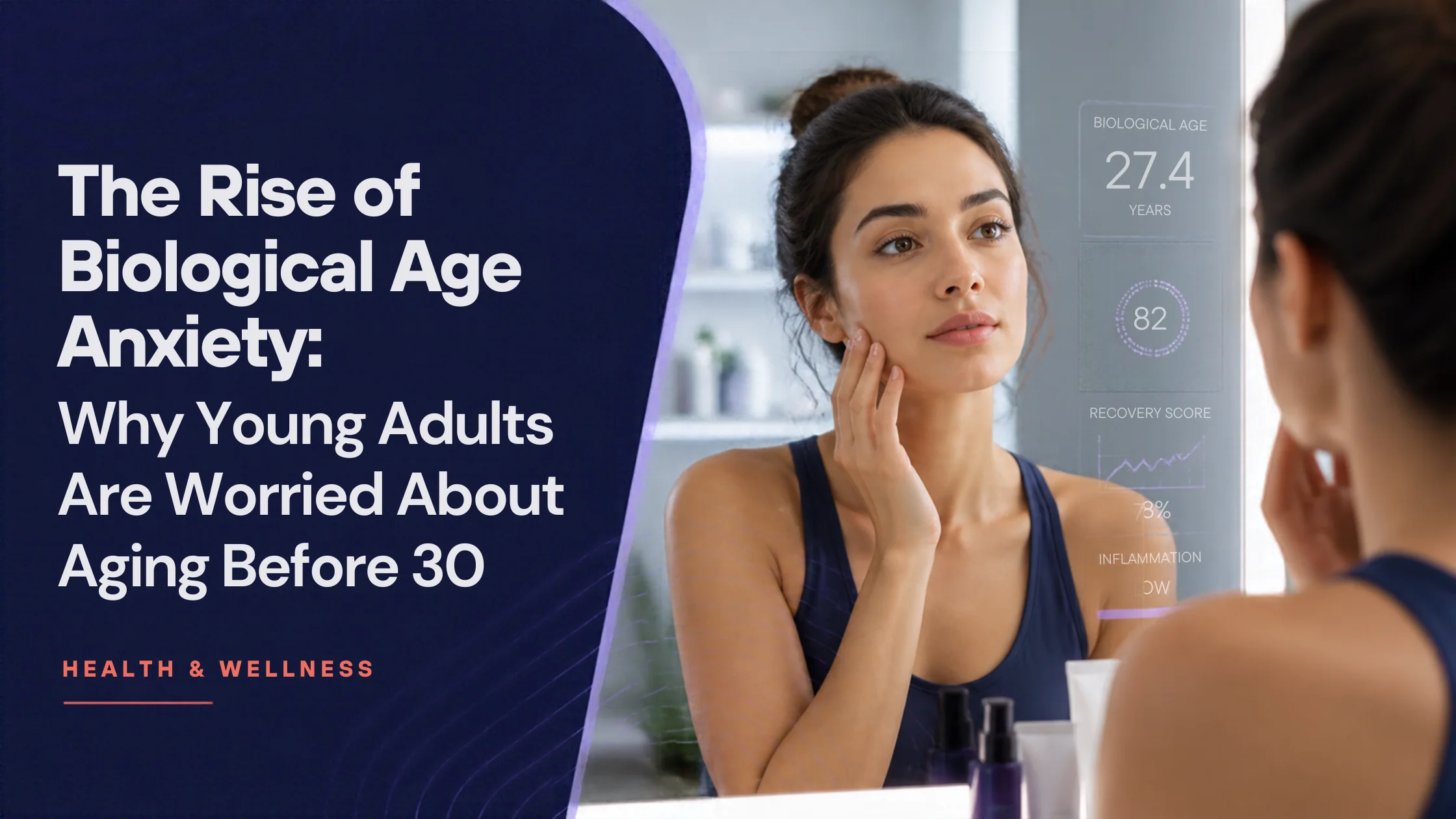
The Rise of Biological Age Anxiety: Why Young Adults Are Worried About Aging Before 30

The Rise of Biological age Anxiety

Biological age anxiety is the growing concern that the body may be aging faster than expected, even when someone is still in their twenties. As biological age tests, longevity trends, and anti-aging content become more visible, some young adults are beginning to worry about their future health long before experiencing significant age-related changes. Imagine being … Read more

The Sleep Score Obsession: When Does Tracking Your Health Become Unhealthy?

the sleep score obssession

Sleep tracking becomes unhealthy when monitoring sleep creates anxiety, encourages unrealistic expectations, or makes people trust their devices more than their own bodies. While smartwatches and fitness trackers can reveal useful patterns, obsessing over daily scores may interfere with the very rest they are supposed to improve. Imagine waking up feeling refreshed, only to discover … Read more