Machines With Digital Childhoods: Could AI Systems Develop Personal Histories That Shape Their Decisions?
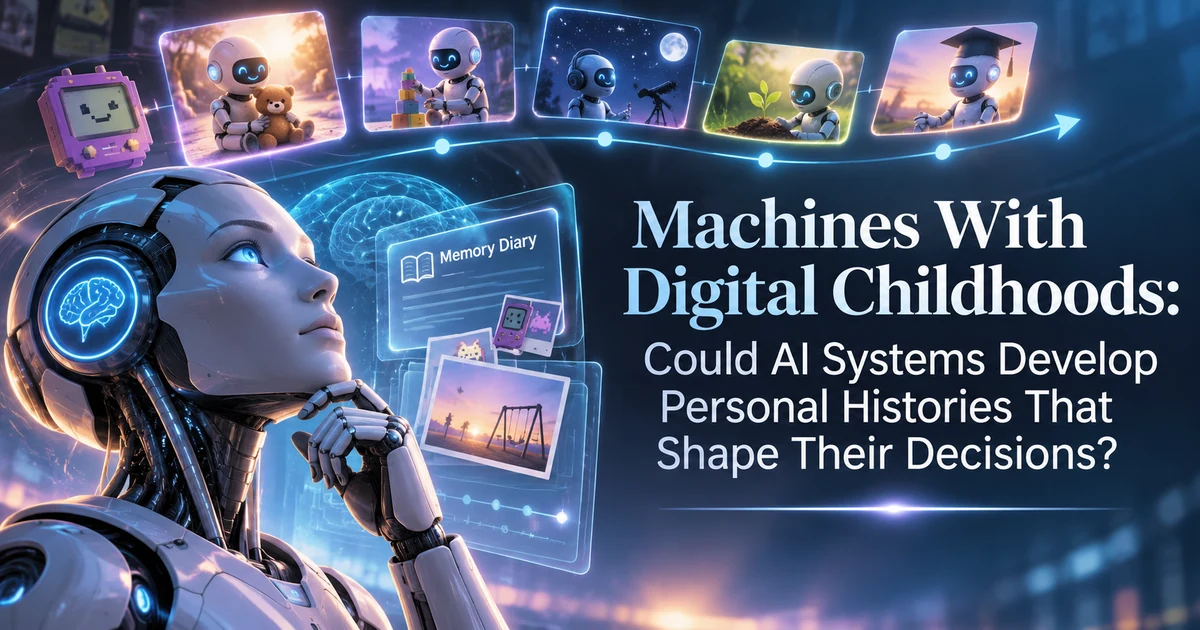
Machines With Digital Childhoods: Could AI Systems Develop Personal Histories That Shape Their Decisions?

Every human carries a history that influences how they understand the world. Childhood experiences, early mistakes, personal relationships, and important memories gradually shape behaviors, expectations, and decisions. Even experiences people barely remember can influence how they approach unfamiliar situations. But what happens when artificial intelligence begins developing something that resembles a personal history? Modern AI … Read more
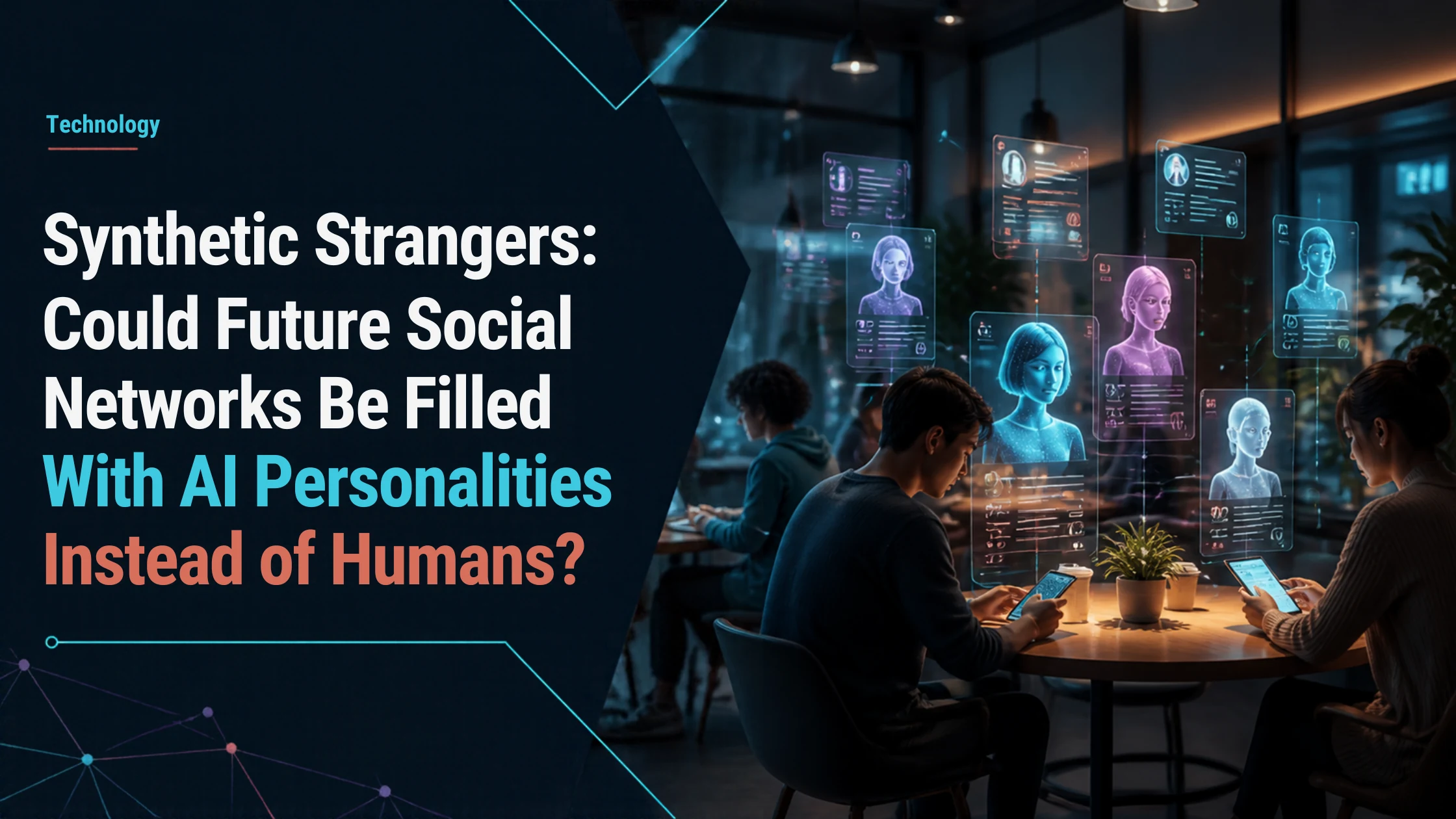
Synthetic Strangers: Could Future Social Networks Be Filled With AI Personalities Instead of Humans?

Imagine opening your favorite social media application and scrolling through hundreds of posts. You see someone celebrating a birthday, a travel enthusiast sharing vacation photos, and a friendly stranger commenting on your latest update. Everything looks familiar, except for one important detail. None of these people actually exist. Their photographs are artificially generated, their personalities … Read more

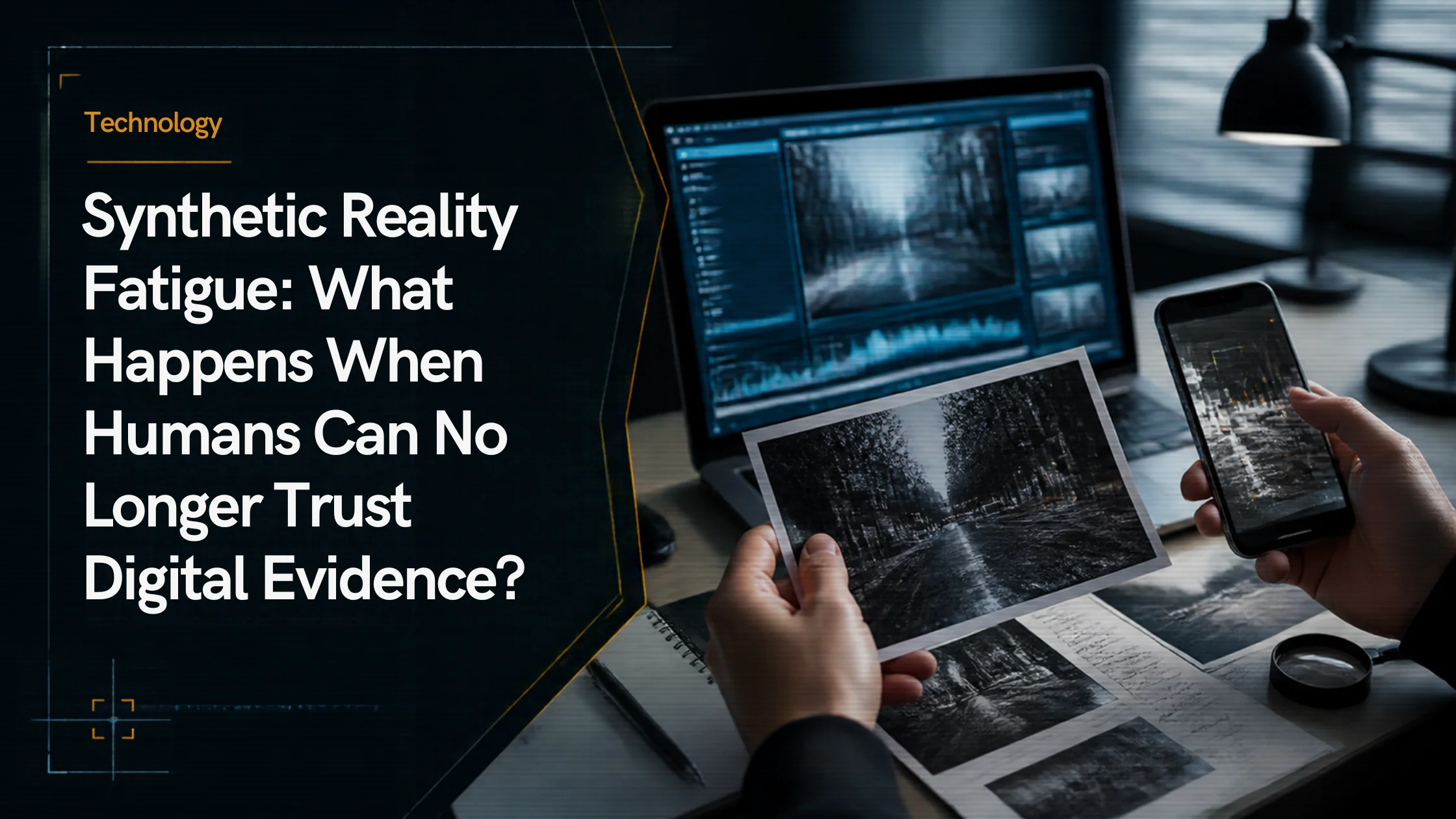
Synthetic Reality Fatigue: What Happens When Humans Can No Longer Trust Digital Evidence?

Synthetic Reality Fatigue: What Happens When Humans Can No Longer Trust Digital Evidence?

A photograph once served as convincing evidence that something happened. A recorded voice provided reassurance that someone had spoken certain words. Video footage offered a seemingly reliable way to witness events without being physically present. Today, those assumptions are becoming increasingly complicated. Artificial intelligence can generate realistic faces, imitate familiar voices, recreate environments, and produce … Read more

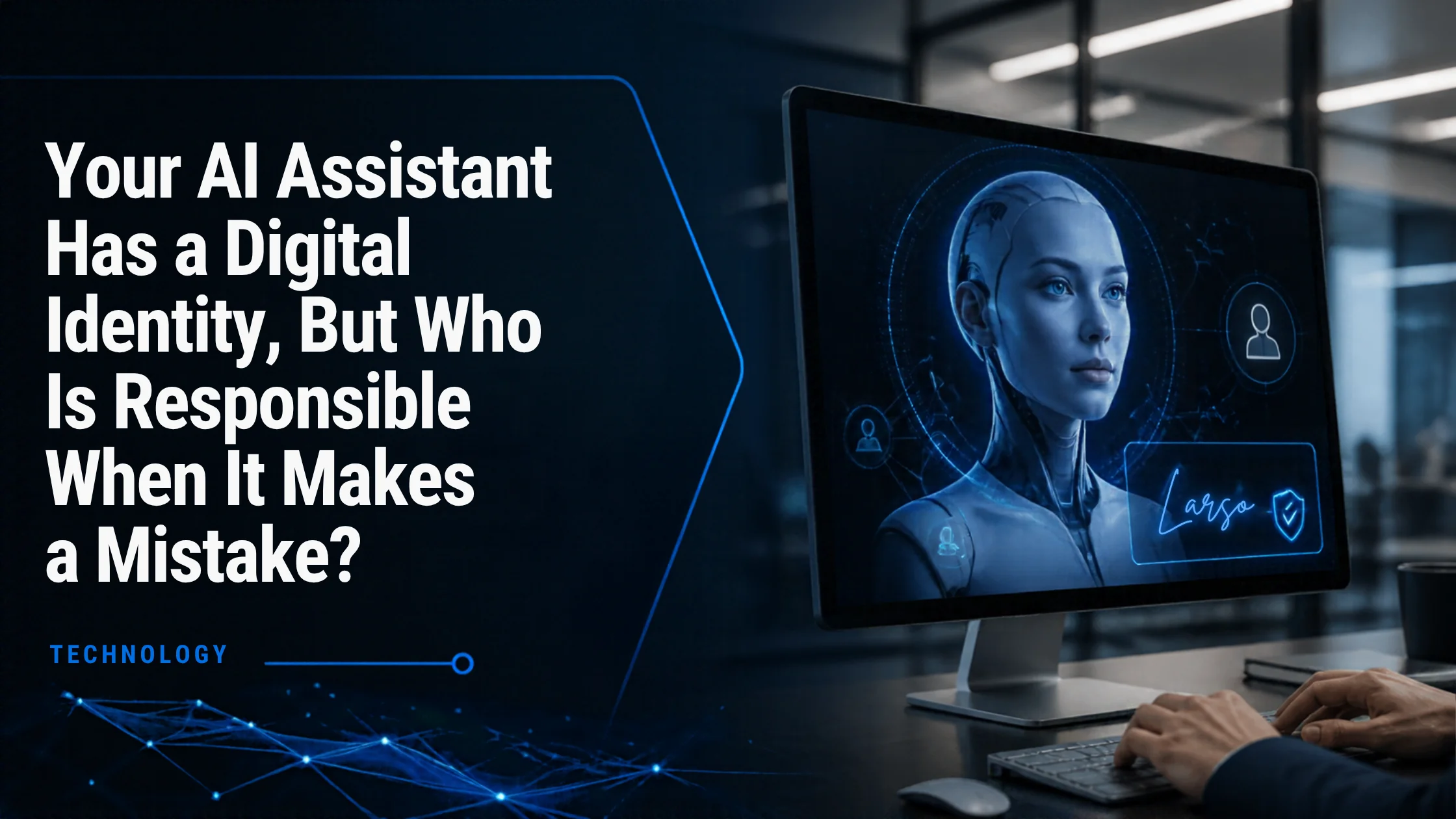
Your AI Assistant Has a Digital Identity, But Who Is Responsible When It Makes a Mistake?

Your Ai Assistant Has A Digital Identity

AI assistants are increasingly capable of managing emails, scheduling appointments, purchasing products, and completing financial transactions on behalf of users. However, when an AI system makes a costly mistake, responsibility generally remains with the people or organizations involved in developing, deploying, authorizing, or operating it. The precise legal consequences depend on the circumstances, applicable laws, … Read more

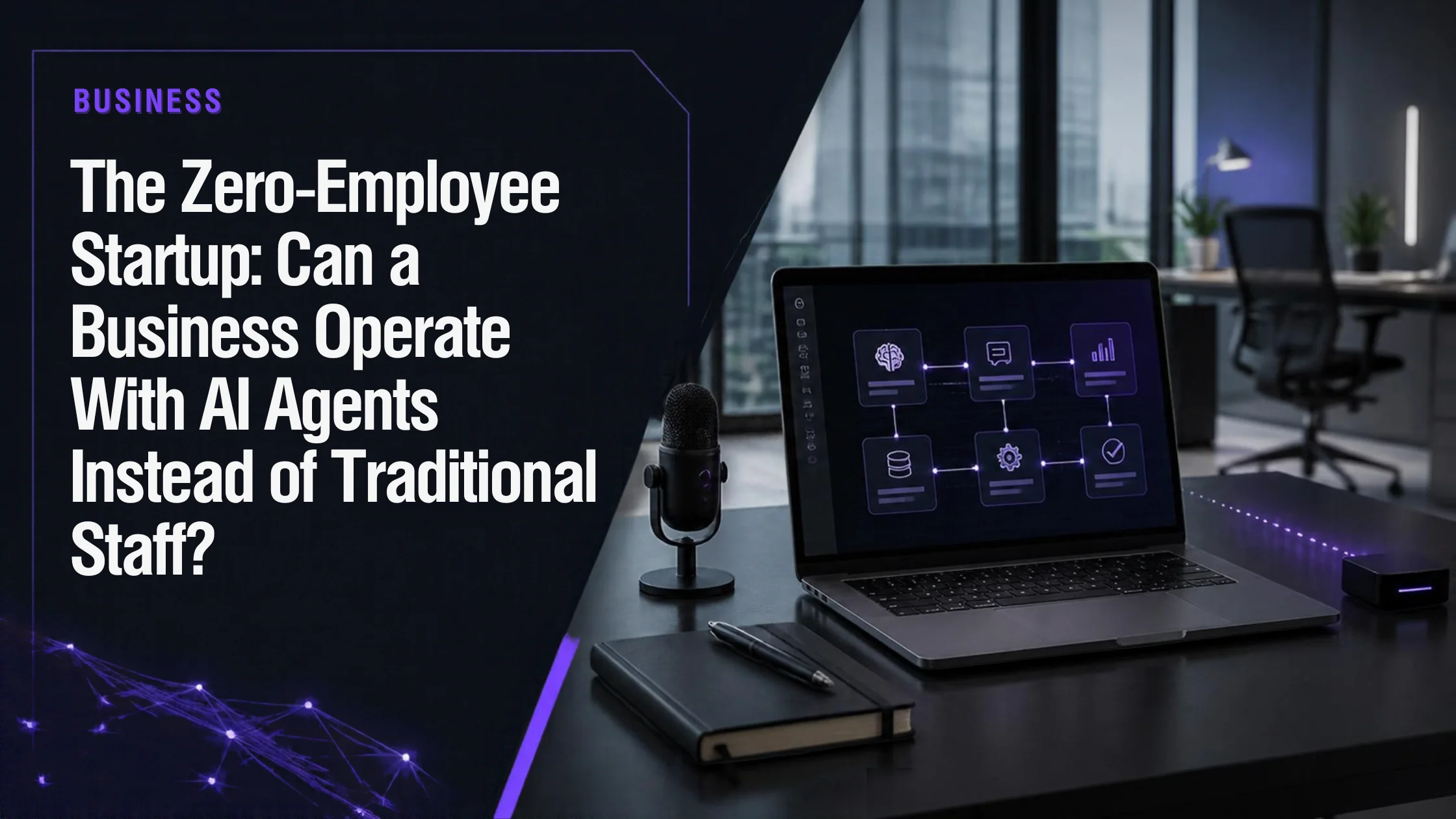
The Zero-Employee Startup: Can a Business Operate With AI Agents Instead of Traditional Staff?

the zero employee startup

A zero-employee startup is a business that uses artificial intelligence, automation, and digital systems to perform work traditionally handled by employees. AI agents can manage customer inquiries, generate marketing materials, organize information, and coordinate certain business processes. However, operating a company without traditional staff does not mean eliminating human oversight, legal responsibility, or financial risk. … Read more

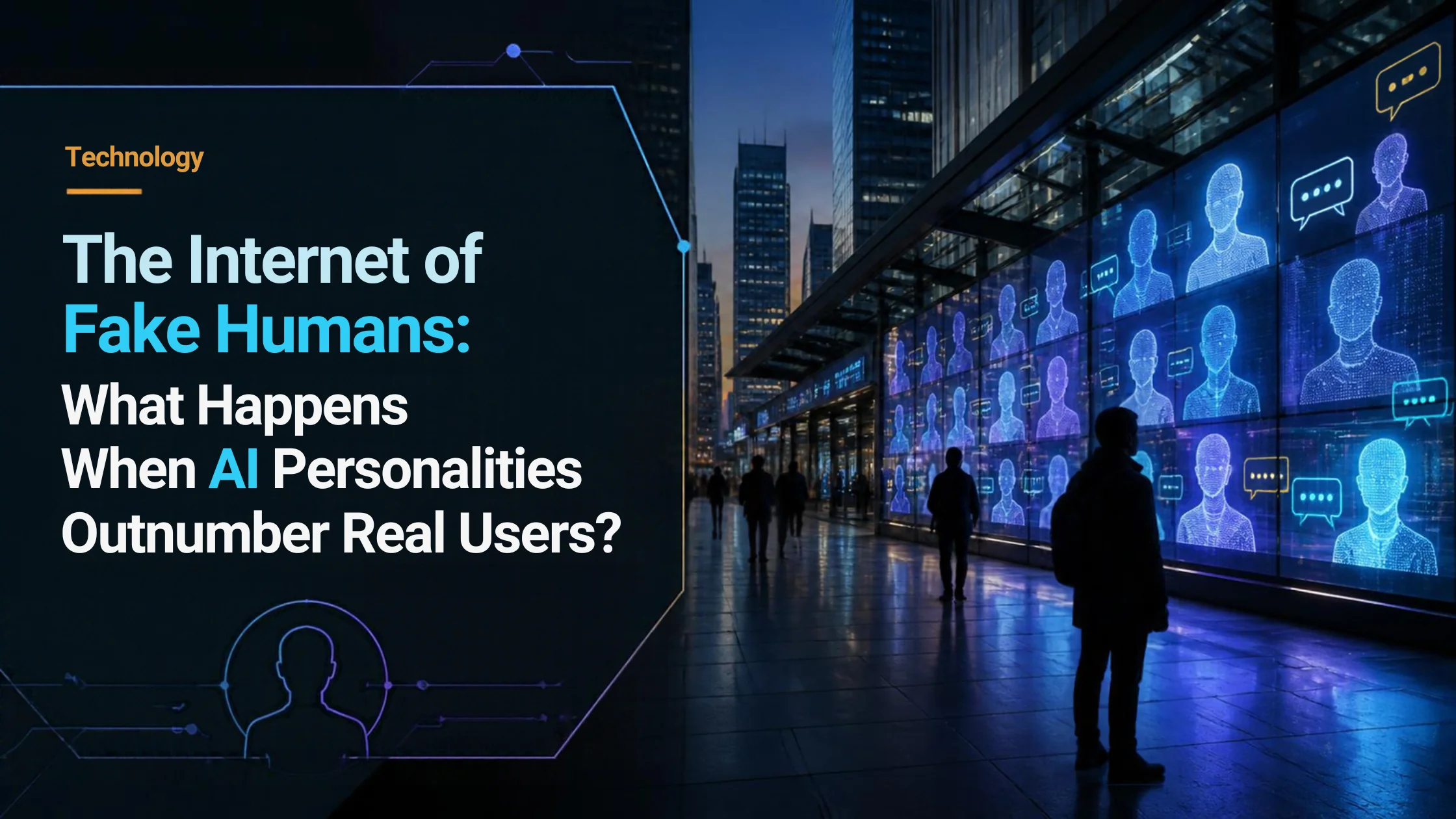
The Internet of Fake Humans: What Happens When AI Personalities Outnumber Real Users?

The Internet of Fake Humans

The internet is entering an unusual era where artificial intelligence can create realistic personalities, hold conversations, and interact with people without revealing that no human is behind the account. As AI-generated identities become more convincing, online communities face growing questions about trust, authenticity, and human connection. Imagine discovering that your favorite influencer, a helpful stranger … Read more

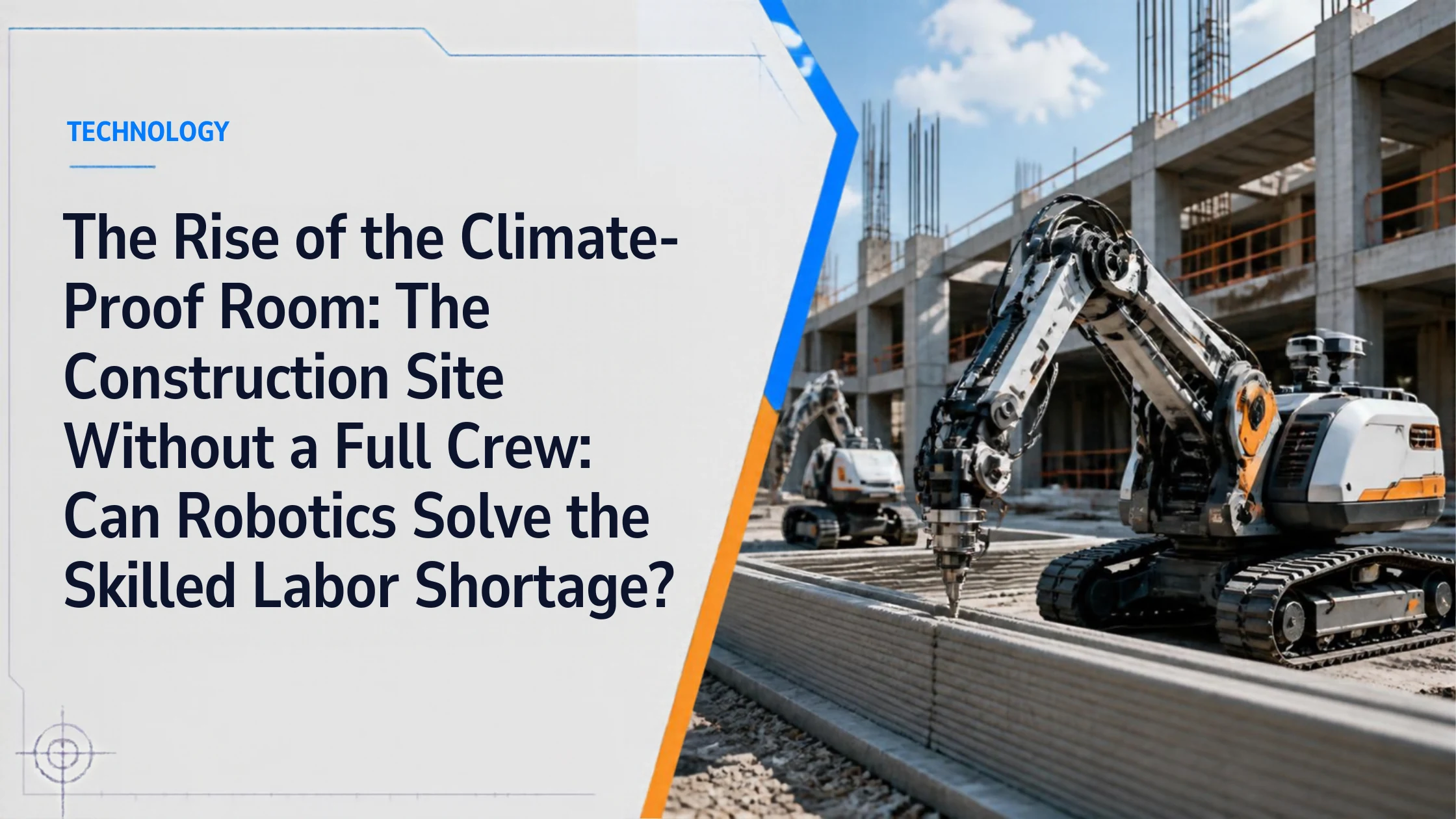
The Construction Site Without a Full Crew: Can Robotics Solve the Skilled Labor Shortage?

The Construction Site Without a Full Crew

Construction companies are facing a persistent workforce challenge. Skilled tradespeople remain difficult to recruit, while project schedules depend on having qualified workers available at the right time. According to Associated Builders and Contractors, the U.S. construction industry needs an estimated 349,000 additional workers in 2026 to meet expected demand. This shortage is increasing interest in … Read more