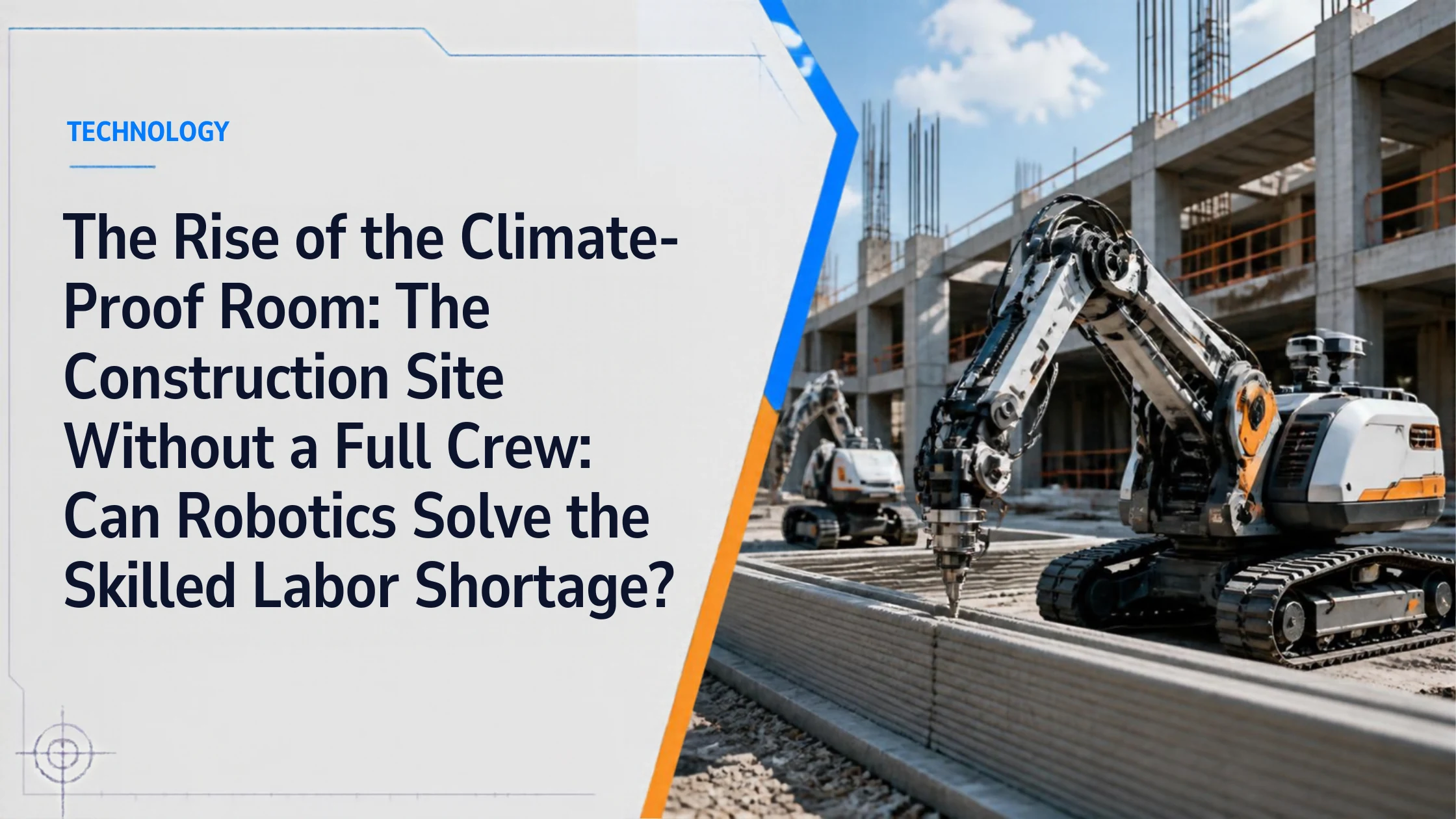
Construction companies are facing a persistent workforce challenge. Skilled tradespeople remain difficult to recruit, while project schedules depend on having qualified workers available at the right time.
According to Associated Builders and Contractors, the U.S. construction industry needs an estimated 349,000 additional workers in 2026 to meet expected demand. This shortage is increasing interest in technologies that can help existing crews complete more work.
Construction robotics offers a potential solution, but not a complete replacement for skilled labor. Automated machines can perform repetitive tasks, support precision work, and reduce certain physical demands. However, construction sites still require experienced professionals to manage changing conditions, coordinate activities, and maintain safety.
As robotic technology becomes more capable, construction companies are examining how smaller crews and automated equipment can work together without compromising project quality.
Can construction robots replace skilled workers on modern building sites?
Construction robots can replace certain manual tasks, but they cannot independently perform every responsibility handled by skilled construction workers.
Modern building projects involve complex decisions that extend beyond repetitive physical work. Workers must interpret construction drawings, recognize unexpected site conditions, coordinate with other trades, and adjust installation methods when necessary.
Robotic systems perform best when tasks follow clear instructions and operate within predictable environments.
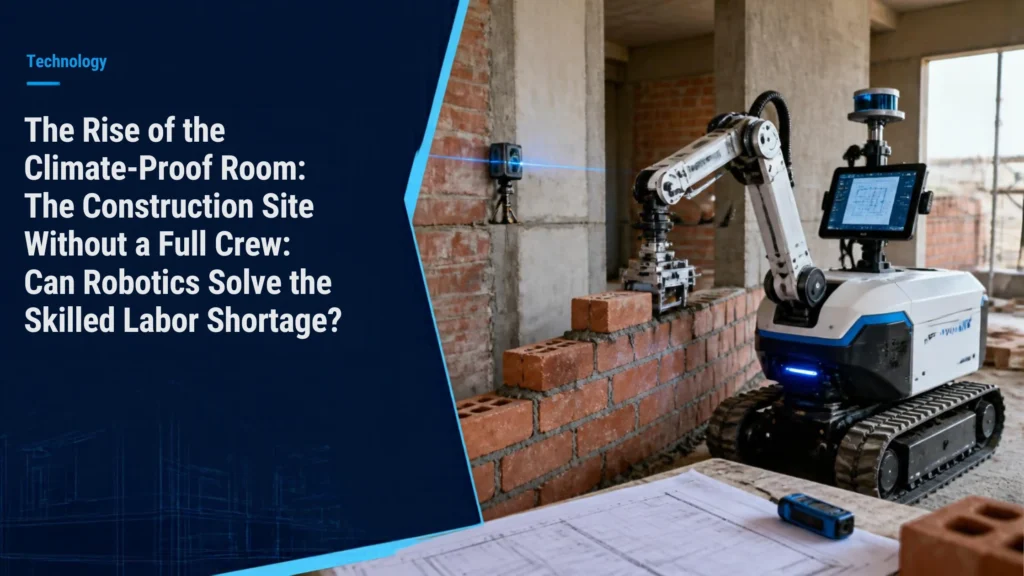
For example, robotic layout equipment can transfer digital building plans onto construction surfaces. Automated masonry systems can place bricks under suitable operating conditions. These technologies reduce the amount of repetitive work required from human crews.
However, robots still depend on people for preparation, supervision, maintenance, and quality control.
A masonry robot may handle brick placement, but qualified workers remain responsible for checking alignment, managing site conditions, and verifying that the finished work meets project requirements.
Construction robotics also introduces new technical responsibilities. Equipment operators may need training in digital controls, positioning systems, and troubleshooting.
Rather than eliminating skilled construction jobs entirely, automation is changing how those jobs are performed.
The more realistic outcome is a construction workforce in which experienced tradespeople supervise automated processes while concentrating on tasks that require judgment and adaptability.
Which construction jobs are most likely to become automated?
Construction tasks involving repeated movements, consistent measurements, and predictable working conditions are generally the strongest candidates for robotic automation.
Several applications are already being used or evaluated on construction sites.
1. Bricklaying and masonry
Robotic masonry systems can assist with positioning and placing bricks. They are particularly suited to repetitive wall sections with consistent layouts.
Human workers remain necessary for preparation, complex details, material handling, and quality inspections.
2. Concrete finishing
Automated finishing equipment can support surface leveling and smoothing across suitable concrete areas.
These machines may reduce physically demanding work, although operators must still monitor concrete conditions and finishing requirements.
3. Surveying and construction layout
Robotic total stations and automated layout systems help transfer measurements and digital plans onto building surfaces.
This technology can reduce manual marking time while supporting greater consistency between design information and field layout.
4. Painting and drywall finishing
Robotic equipment is being developed and deployed for selected painting, sanding, and drywall finishing operations.
These applications are attractive because large, accessible surfaces often involve repetitive movements.
5. Site inspection and progress monitoring
Mobile robots and drones can capture images, survey accessible areas, and document construction progress.
Project teams use the collected information to identify discrepancies, monitor work, and support inspections.
Despite these developments, jobs requiring complicated installations, confined-space adjustments, and frequent problem-solving remain difficult to automate fully.
Electrical work, plumbing, structural connections, and specialized repairs often involve conditions that require experienced human judgment.
Automation is therefore more likely to replace individual activities within construction jobs than entire skilled trades.
How does robotic automation affect labor costs and construction productivity?
Robotic automation can improve construction productivity by reducing the time workers spend on repetitive activities. However, the financial benefits depend on equipment costs, project scale, utilization, and operational requirements.
One potential advantage is increased task efficiency.
A properly configured robotic system can repeat the same movement or measurement consistently. This may allow crews to complete suitable tasks faster than conventional manual methods.
Automation can also help address labor availability.
When contractors cannot recruit enough qualified workers, machines may provide additional capacity for specific operations. Existing employees can then focus on responsibilities that require technical expertise.
Labor cost reductions are not automatic.
Construction companies must consider several expenses before investing in robotic equipment:
- Equipment acquisition: Purchasing, leasing, or subscribing to robotic systems can require substantial financial investment.
- Operator training: Workers need appropriate skills to manage and supervise automated machinery.
- Maintenance and repairs: Robotics systems require servicing, calibration, and occasional technical support.
- Site preparation: Some machines require suitable surfaces, clear access, and accurate digital construction plans.
- Equipment utilization: A robot used regularly across multiple projects may offer better financial value than one used occasionally.
Productivity also needs to be evaluated across the entire project.
A robot might complete an individual activity faster, but delays in material delivery, scheduling, or subsequent work can limit overall time savings.
For smaller contractors, renting equipment or using specialized robotic subcontractors may be more practical than purchasing machinery.
The strongest financial case occurs when automation addresses a clearly defined bottleneck and produces measurable improvements in labor hours, rework, or scheduling.
What prevents construction companies from relying entirely on robotic workers?
Despite advances in automated construction equipment, several practical limitations prevent companies from operating fully robotic building sites.
The first challenge is the unpredictable nature of construction environments.
Unlike manufacturing facilities, where machines often operate within controlled production lines, construction sites change throughout a project.
Materials are moved, surfaces become uneven, access routes change, and weather conditions affect equipment performance.
Robots designed for specific activities may struggle when these conditions fall outside their operating limits.
Technical complexity is another barrier.
Construction projects involve multiple trades performing interconnected tasks. Automated systems must work alongside people, equipment, and changing schedules without creating new hazards.
Safety requirements also remain essential. Contractors must establish appropriate operating procedures, exclusion zones, emergency controls, and supervision arrangements.
Other barriers include:
- High initial costs: Advanced systems may be difficult to justify for companies with limited project volumes.
- Limited task flexibility: Specialized robots often cannot switch between unrelated construction activities.
- Workforce training: Employees need technical knowledge to operate and maintain automated equipment.
- Technology integration: Digital models, equipment software, and project management systems must exchange accurate information.
- Quality and accountability: Qualified professionals remain responsible for verifying completed work and meeting applicable standards.
These limitations help explain why robotics adoption remains gradual.
A 2026 systematic review of construction robotics research found that operator-led workflows continue to dominate practical applications, reflecting the industry’s limited readiness for fully autonomous operations.
Automation is becoming more useful, but construction still depends heavily on human experience.
Building a Workforce That Uses Robotics Effectively
The skilled labor shortage cannot be solved through technology alone. Construction companies still need qualified tradespeople, apprenticeship programs, technical training, and effective workforce planning.
Robotics can strengthen those efforts by reducing repetitive workloads and allowing experienced employees to concentrate on higher-value responsibilities.
For contractors considering automation, the most practical first step is to identify one repetitive activity that regularly causes delays or strains available labor. Evaluating robotic solutions against that specific need provides a clearer basis for investment decisions.
The construction site of the future may operate with a smaller crew for certain tasks, but its success will still depend on skilled people. The real opportunity is not construction without workers. It is construction where technology helps qualified professionals accomplish more.
